
My Favorite Bean
So easy to grow, to cook, to love.

They’re particularly happy growing in not-great dirt, so we sow them on the hill near the front of the house.
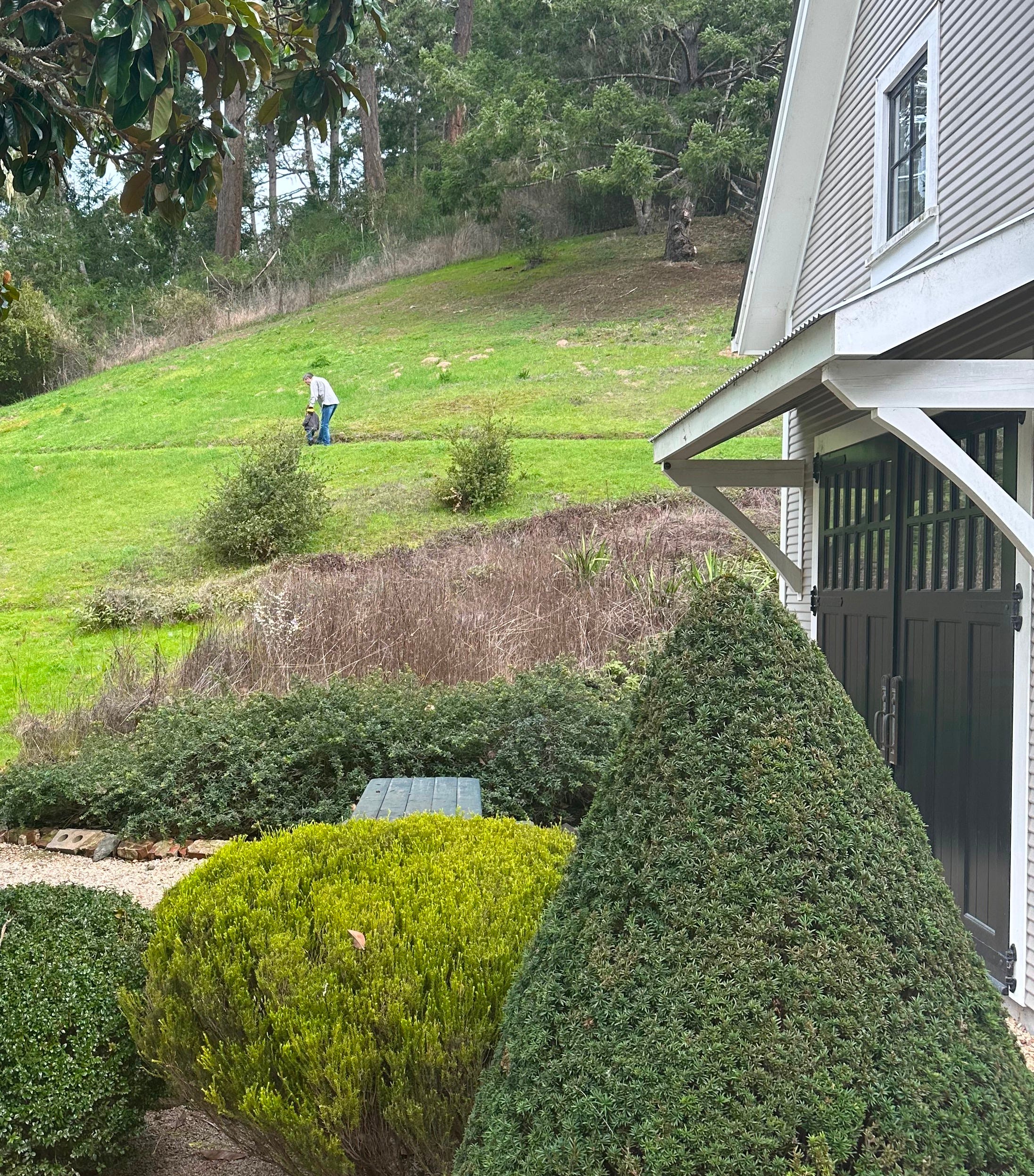
Seeds go in the ground midwinter, from the capable hands of Papa and Wolfie—shown here—and we’ve got beans to harvest mid April. What did we do for them from the time the seeds went into the ground until we harvested? Not a dang thing. No fertilizer, no bug killer, no weeding. No watering. No staking. Nothing, except appreciate the gorgeous little black and white blossoms that formed on the way to becoming beans.
Fava beans, to be precise. My absolute favorite.
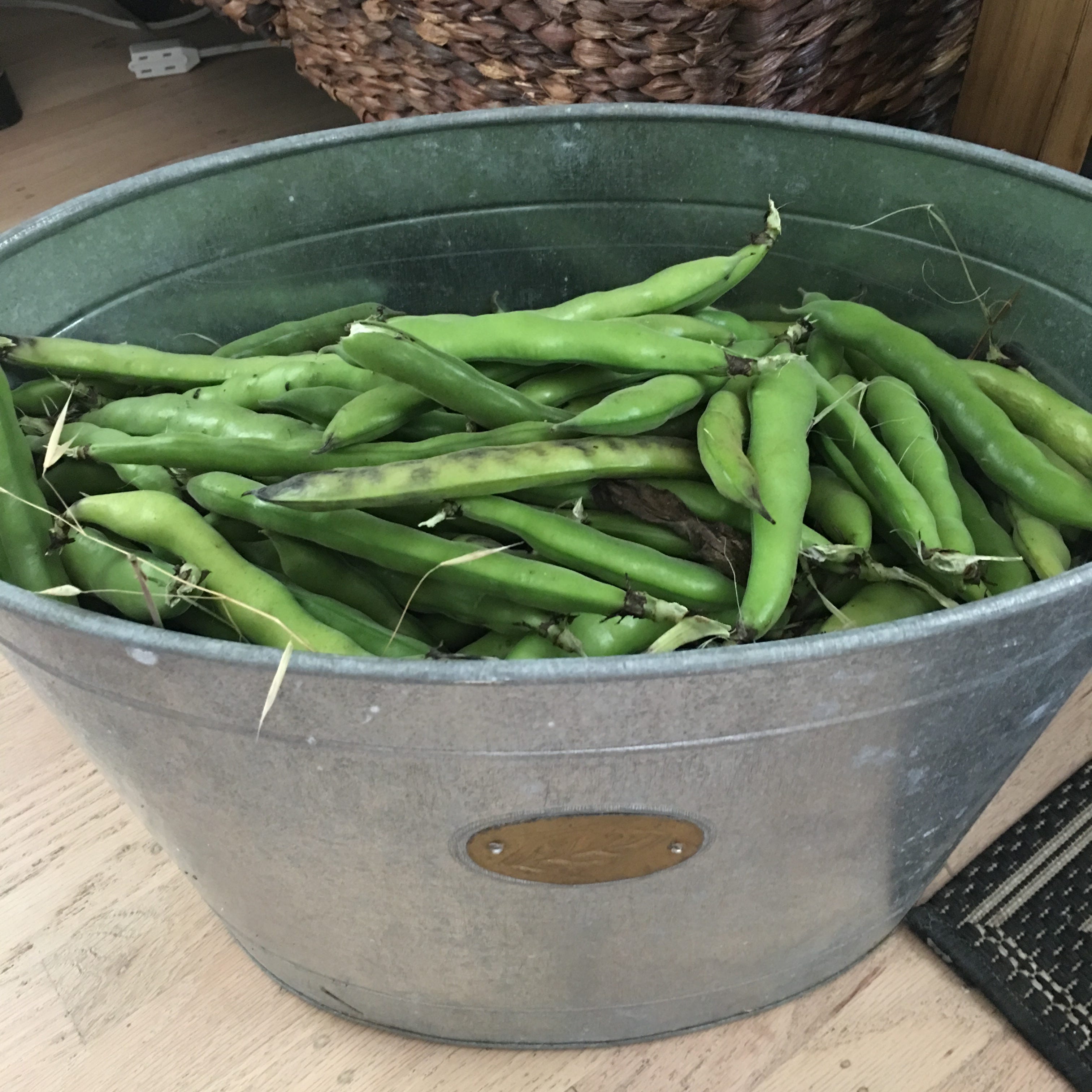
They come right off the vine with a little snap. No stickers, no bees, not too low, not too high to reach. Velvety soft to the touch, and clearly signaling their readiness to be picked by the bean lumps in each pod. No pain, no mystery.
The only real labor involved is the shucking part. Somebody, usually me, has to sit for a good while and pull the pods apart with the little stringy thing that grows on the seam of each pod. But here again, another gift from The Bean. There’s no fancy, speeded-up, automated way to do this. It’s a task made for human hands. I like to think it’s perfect for granny hands, because of the patience involved, but plenty of kids and younger farm folk have done a bit of shucking over the millennia, for sure.
The perfect excuse for a granny to sit a while.
With a bucket of harvested beans between your knees, a bowl of shucked beans in your lap and a pan of pod skins next to you, there’s peace to be found, along with an aroma as old as time.
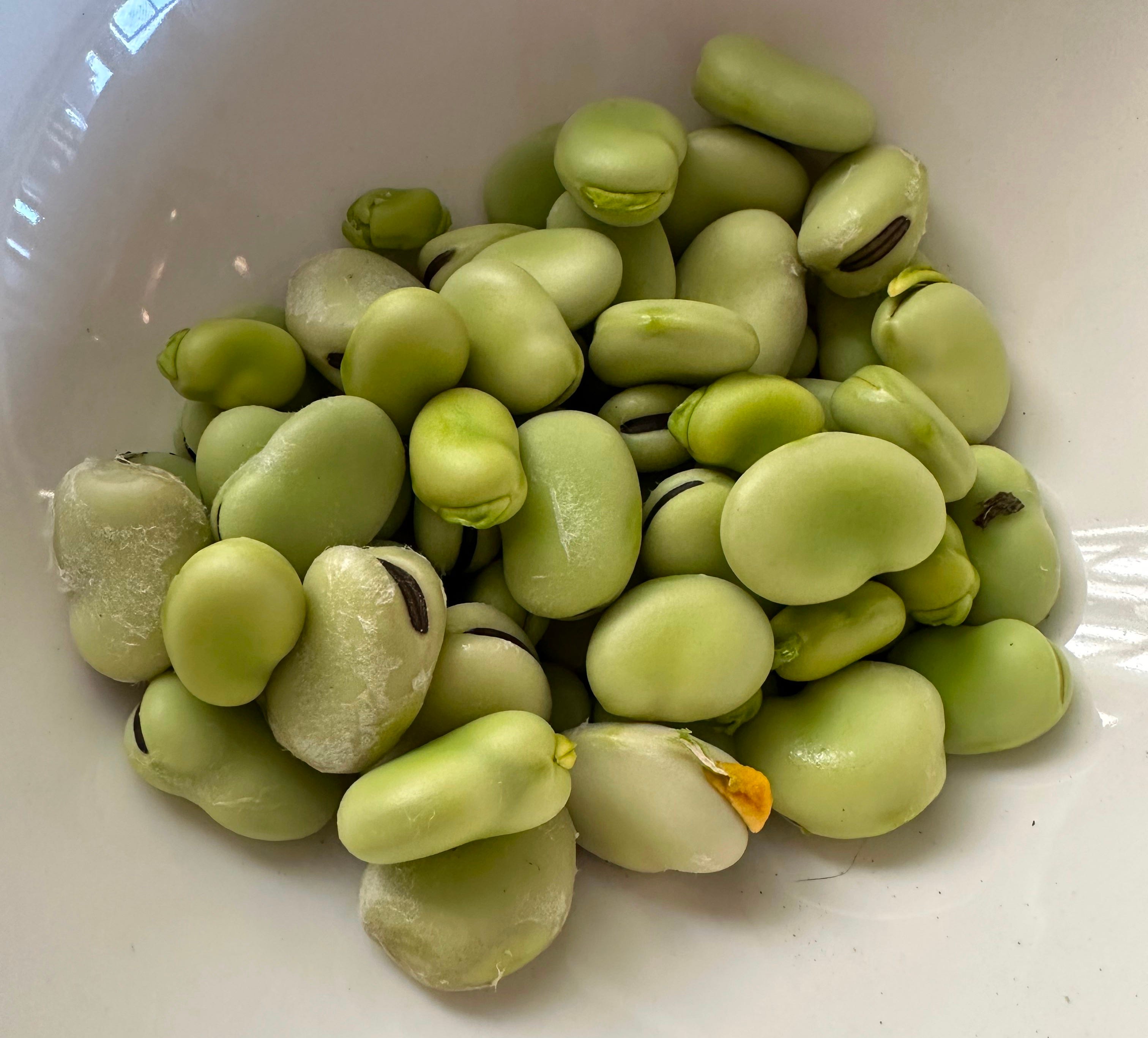
As the pods willingly give up their curvy treasures, you smell a perfume older than time, and your fingers move in a pattern that was choreographed many lifetimes ago. Surely there’s been all kinds of research done by now on the special connection between bean and brain, via the fingers. It’s the same mechanism that connects a needle, or a paintbrush, or any of the small implements we use to groom other humans, or critters, the hands that are using the implements, and the eyes, nose, brain, and microbiome guiding the grooming/sewing/painting operation. It’s soothing and comforting in the doing, as well as satisfying in the outcome.
In the case of the bean, the outcome can be minutes away in a simple, and simply fabulous, meal.
Lemon Butter Fava Pappardelle
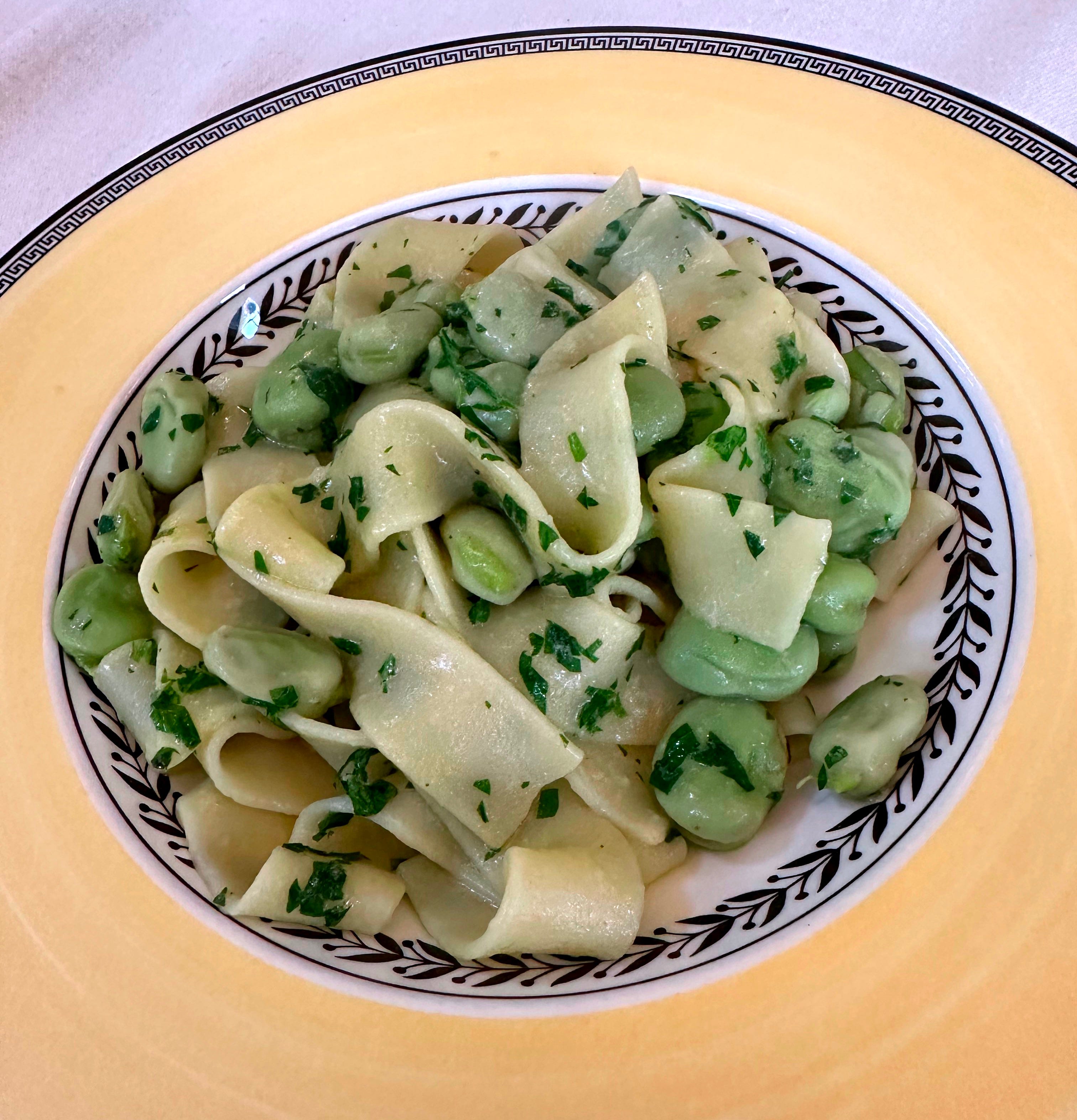
Heat salted water in a medium-size saucepan.
In a pasta-size bowl, put lots of chopped dark greens: parsley, arugula, watercress (if you’re lucky enough to have some.)
Squeeze fresh lemon over the greens.
Toss in some butter and/or olive oil.
Add smokey salt or truffle salt, black pepper and turmeric. And nutritional yeast flakes if you’re inclined, or some good Parmesan.
Cook pappardelle for 5 minutes, then add fava beans and boil for another 3-4 minutes.
Drain cooked pasta and beans, reserving a bit of water, and add to bowl with seasonings. Toss thoroughly, then chow down.
You may notice I’m leaving out a couple of steps.
First, measuring. Not a thing I do a lot. Figure a handful or so of beans per person, and about the same for pasta. Or do it your way: works for me!
Second, peeling the little skins off individual beans. Some people like doing that, as it makes the beans greener and shinier. I leave the skins on for extra fiber, and because I will have already shucked them all once, and don’t particularly want to do it again. Plus, it wrecks the flow. Plus, I’m probably hungry.
What kind of pappardelle?
Pay a bit more for the important Italian brand with only 3 things listed in “ingredients,” or a little less for Trader Joe’s brand with a couple more things in “ingredients.” Both yummy.
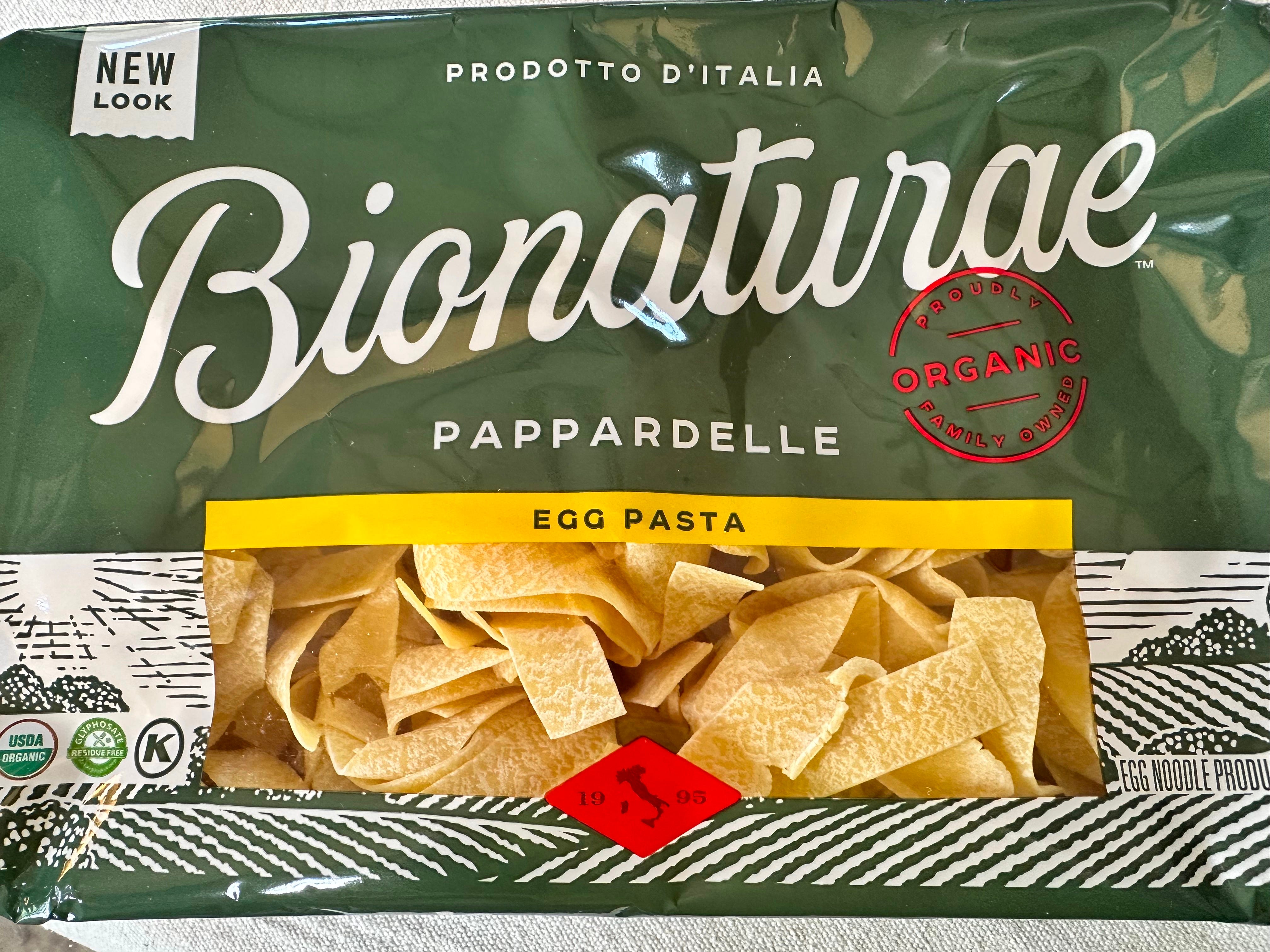
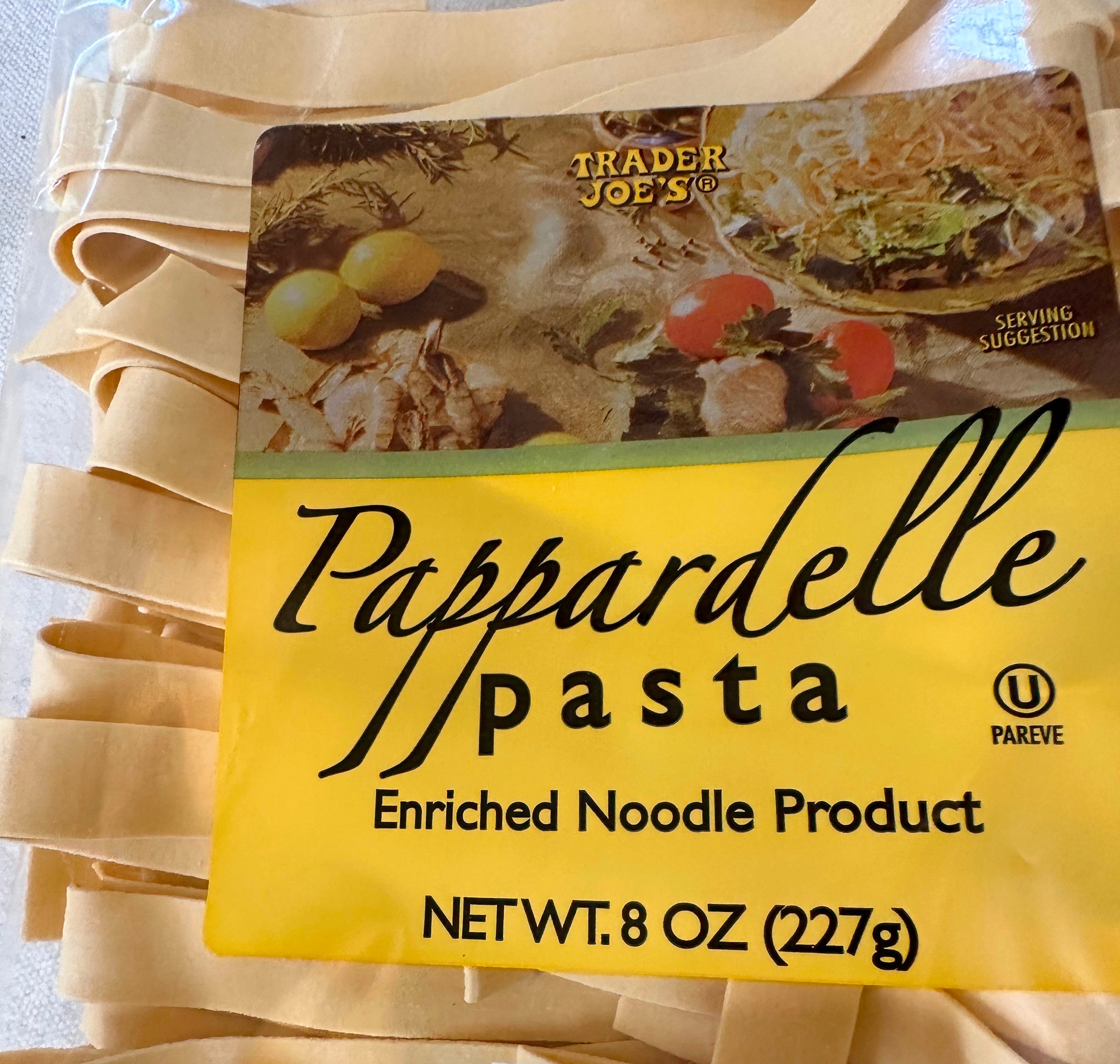
.
Don’t forget to let me know how you do with your fava beans!
Any questions about past recipes? Or anything? Let me know, please. It gives my life meaning. And smack the “like” button below, please, so the algorithm and I know you were here!
I can't wait to try this! Is it too late to plant them now? Where should I get the seeds? Where are the links for us lazy imposter farmers?
I love this piece! The flow, the tickling of the senses, the free flowing recipe, the lead character (beloved fava beans), and the author.